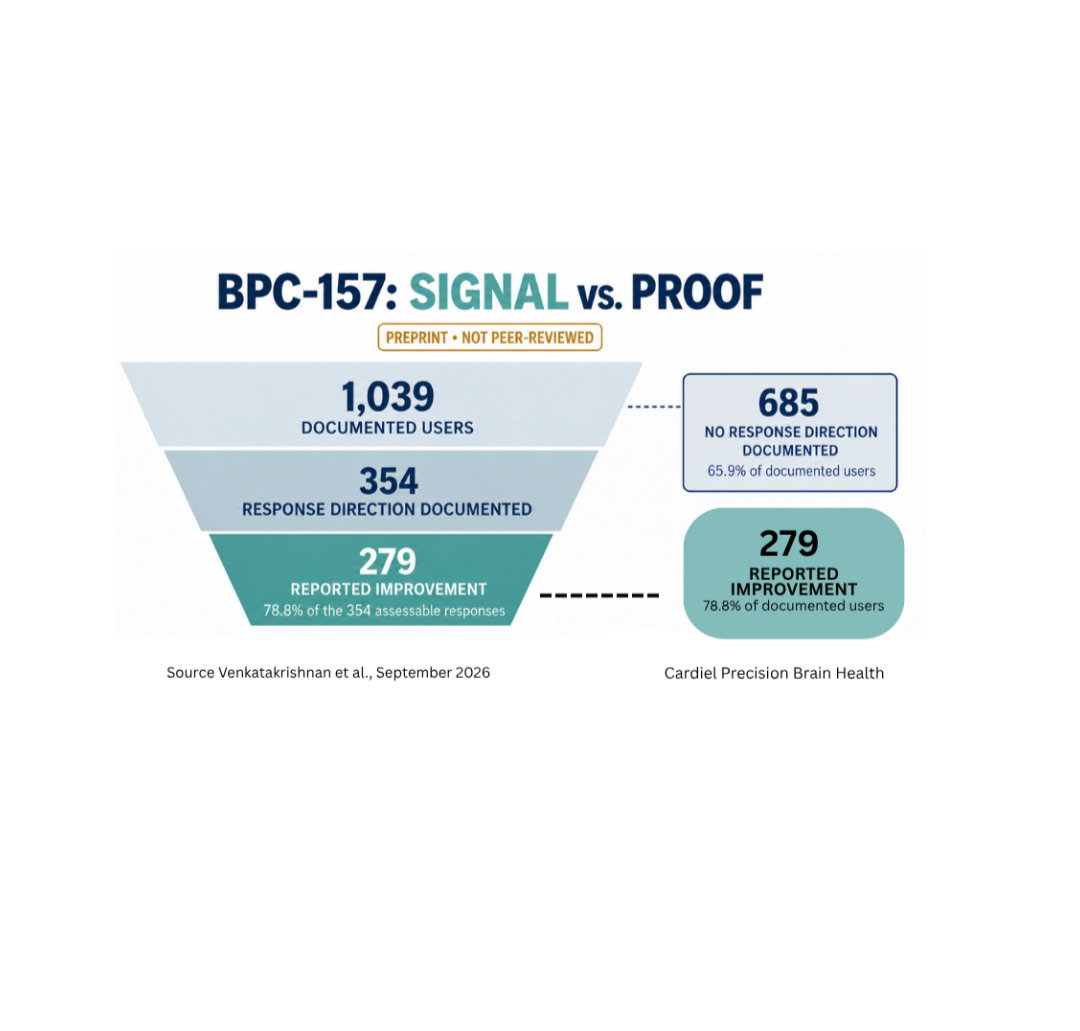
Using BPC-157 or Other Peptides? What Patients With Headache or Cognitive Concerns Should Know
Using BPC-157 or another peptide while experiencing headache, migraine changes, brain fog, or memory concerns? Neurologist Myrna Cardiel, MD, explains what the new study can—and cannot—tell us and how peptide use fits into an evaluation for headache or cognitive health, including concerns about Alzheimer’s disease and other dementias.
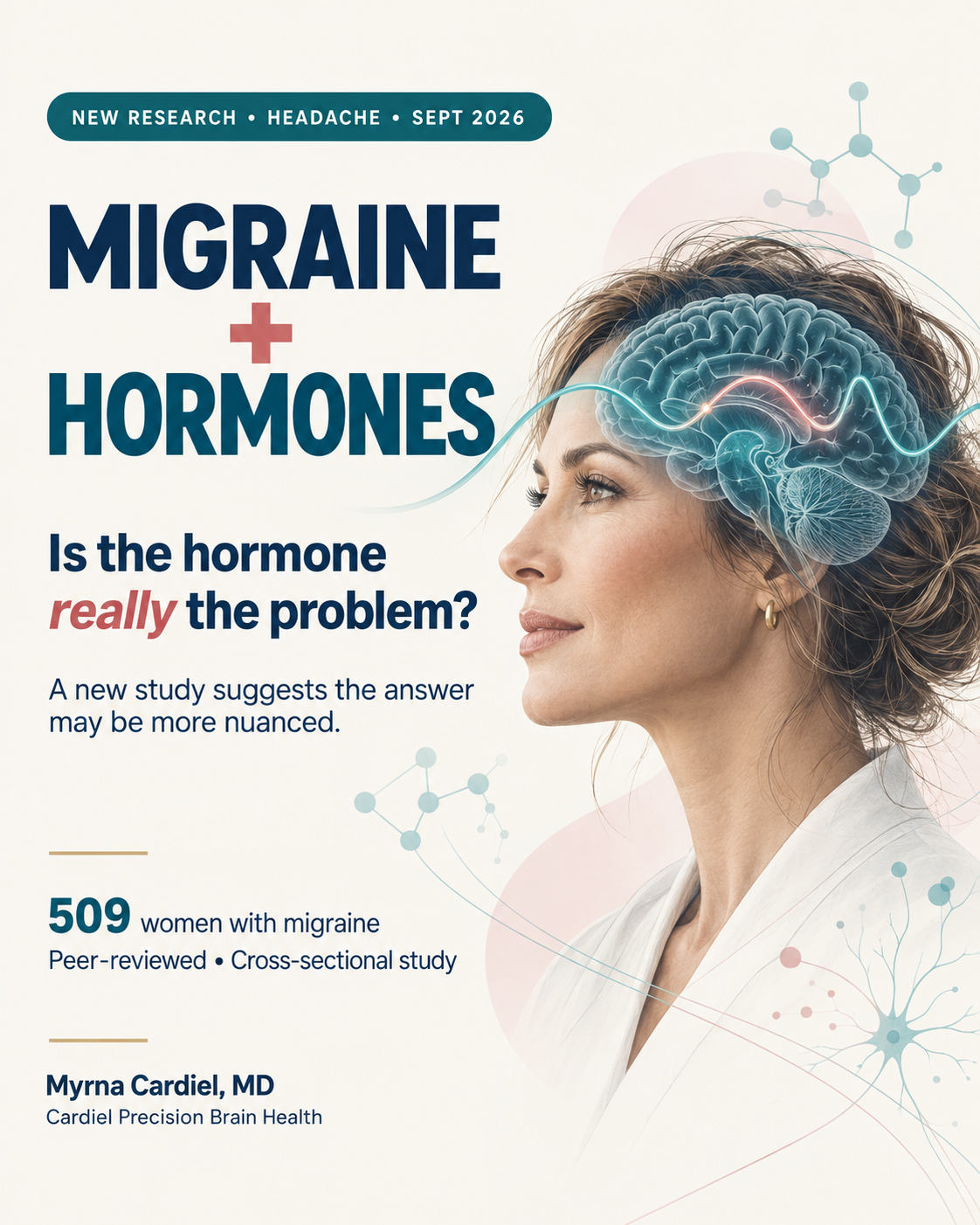
Migraine, Hormones & Menopause: Is the Hormone Really the Problem?
A newly published study in Headache offers a useful reminder that migraine and hormonal treatment have a more complicated relationship than is sometimes assumed.
Among 509 women seen in tertiary headache clinics, those using a stable hormonal treatment did not have significantly different migraine characteristics or preventive-treatment use compared with women who were not using hormones. The study does not prove that hormones cannot worsen migraine, nor was it specifically a study of contemporary menopausal hormone therapy. It does, however, challenge the idea that the presence of migraine alone should automatically lead us to blame—or discontinue—an otherwise stable hormonal regimen.
For women navigating migraine, contraception, perimenopause, or menopause, the more useful questions often include: Did the headaches change when the hormonal treatment was started or adjusted? Is migraine aura present? What hormone, dose, and route are being used? And what is the individual cardiovascular and vascular-risk profile?
The slides below summarize what this new study found, why it may matter clinically, and—equally importantly—what the research does not yet tell us.
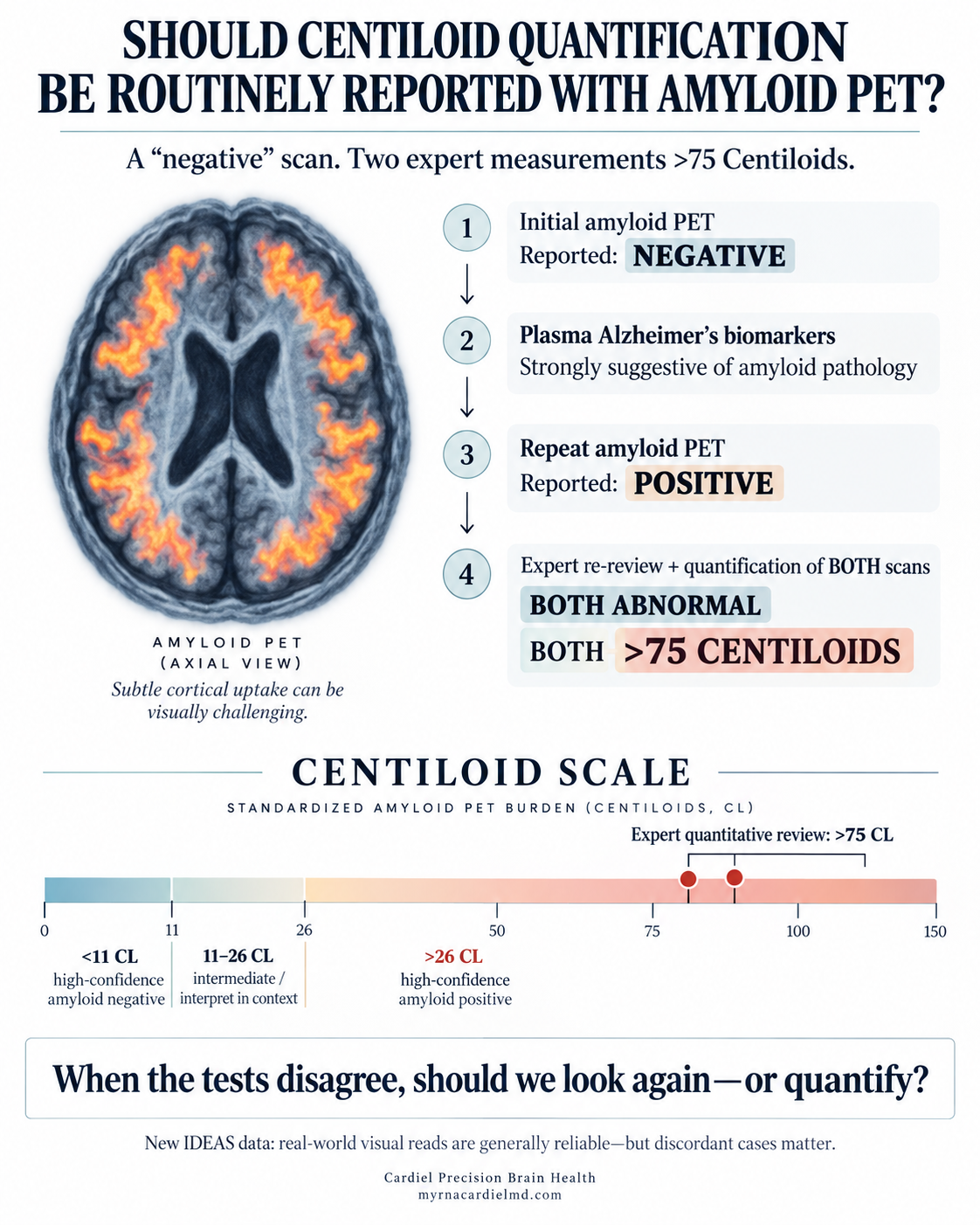
When the Tests Don’t Agree: Why Amyloid PET Sometimes Deserves a Second Look
In memory and brain-health care, no single test should be interpreted in isolation. A patient’s history, cognitive testing, blood biomarkers, MRI, and amyloid PET should tell a reasonably coherent story. When they do not, I do not assume that one result ends the discussion. A newly published analysis from the IDEAS study found that real-world amyloid PET interpretations are generally reliable—but disagreement between local and expert readers still occurs, particularly when reader confidence is lower. Large-scale 2026 data also support the value of standardized Centiloid quantification as an additional way to interpret amyloid PET burden.
That recently mattered in my own practice. A patient had an amyloid PET that was initially reported as negative. Later blood biomarkers strongly suggested amyloid pathology. Rather than dismissing the discrepancy, I requested additional review, including expert interpretation and quantitative Centiloid analysis. The result changed our understanding of the case. For me, the lesson is simple: good care sometimes means going back, asking another question, requesting expert review, and making sure the pieces truly fit together.
At Cardiel Precision Brain Health, my goal is not simply to order more tests. It is to look carefully at the entire clinical picture—and pursue clarification when the data do not make sense, especially when the answer may affect an important diagnosis or treatment decision.
Have cognitive concerns or conflicting test results? A comprehensive neurologic review may help clarify what the findings actually mean and what should come next.
Featured paper: Chiotis K, et al. Comparison of Expert Reads Versus Local Clinical Reads of Amyloid PET Scans in the IDEAS Study. Journal of Nuclear Medicine. Published September 10, 2026.
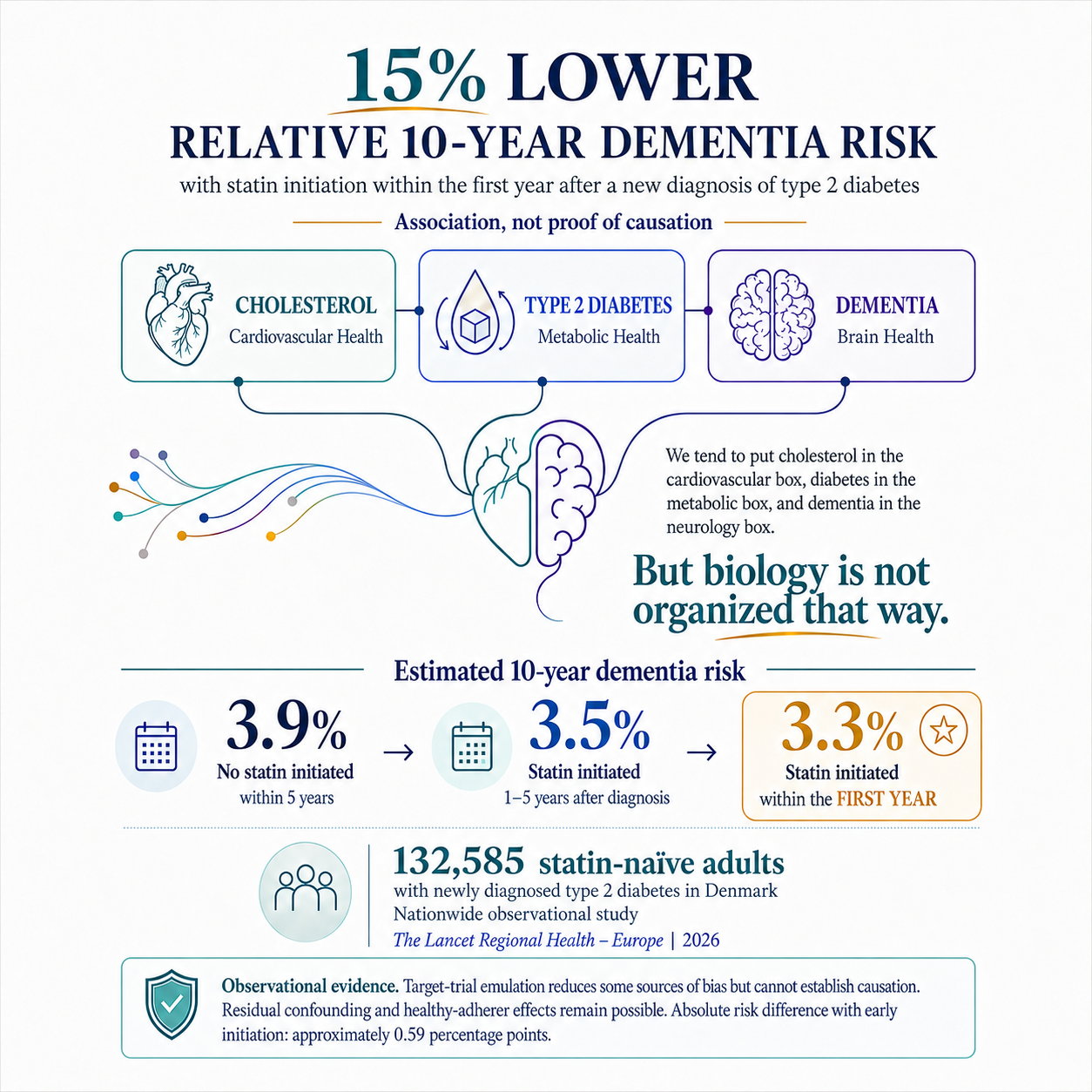
Heart health. Metabolic health. Brain health. Different clinical silos. One interconnected biology.
Do you think we still underestimate the vascular component of long-term brain health? This new study is a compelling reminder that cardiovascular, metabolic, and brain health may be far more interconnected than our traditional clinical silos suggest. Primary study: The Lancet Regional Health – Europe, 2026.
#BrainHealth #DementiaPrevention #Diabetes #PreventiveNeurology #CardiometabolicHealth

Four Days. Two FDA Clearances. One Inflection Point for Alzheimer’s Diagnosis.
Four days. Two FDA clearances. One major shift in how Alzheimer’s disease may enter the diagnostic pathway. On August 20, the FDA cleared PrecivityAD2. On August 24, it cleared Roche’s automated Elecsys pTau217 assay. The headlines are exciting. My new article explains what changed, how the two tests differ and what primary care physicians, psychiatrists and other front-line clinicians should do next. The blood test is not the diagnosis. Used well, it may help us reach the right diagnosis sooner. #AlzheimersDisease #BloodBiomarkers #Neurology #CognitiveHealth #PrimaryCare #Psychiatry #PrecisionMedicine #BrainHealth
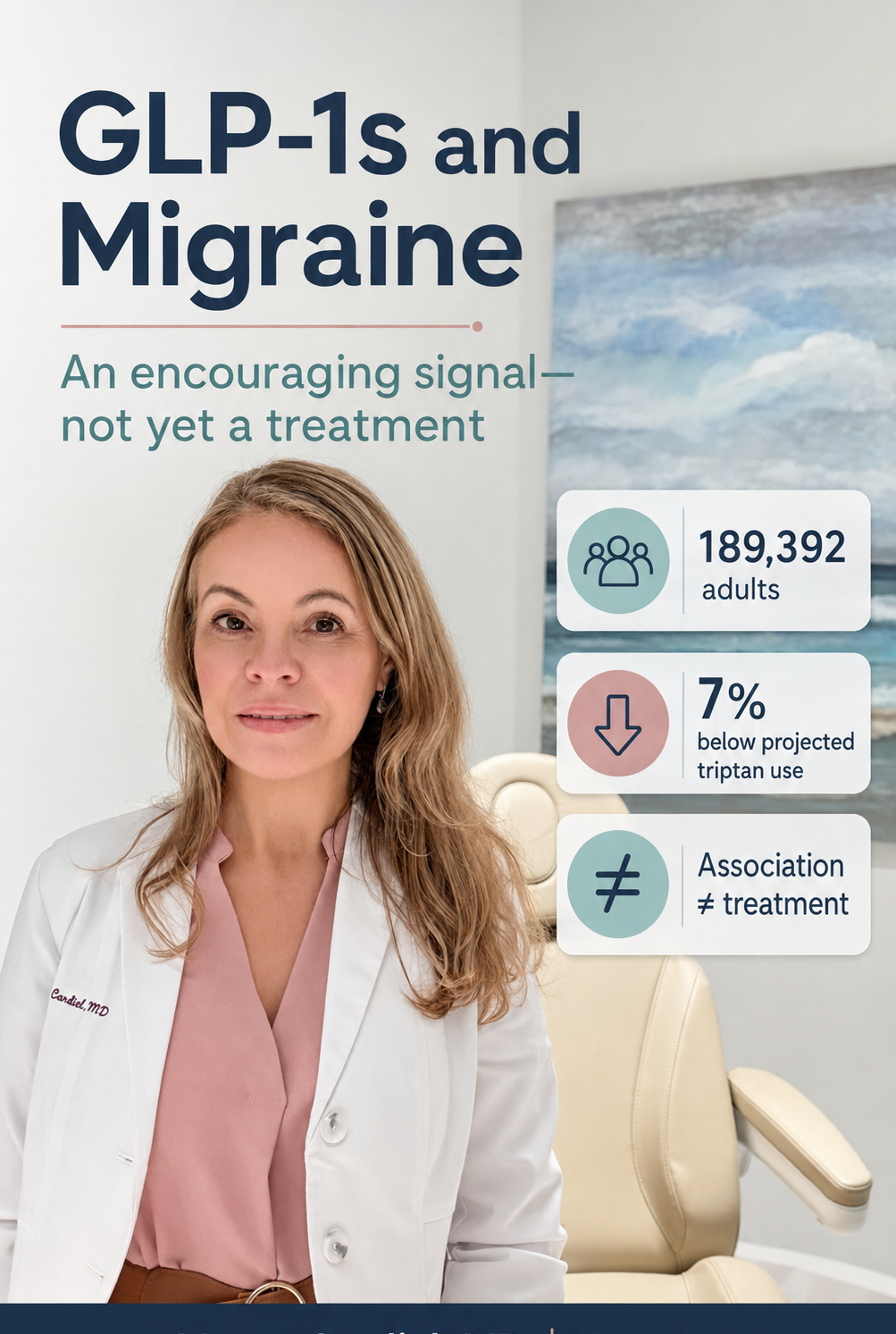
Could Semaglutide Help Migraine? What a 189,000-Person Study Really Shows
Could a medication prescribed for weight management also influence migraine? A nationwide Danish study of 189,392 adults found that semaglutide initiation was associated with triptan use approximately 7% below the projected level at 12 months. It is an encouraging signal—but not proof that semaglutide prevents migraine. In my new article, I examine what the study found, its important limitations, and why headache days, acute-medication use, hydration, and nutrition should be monitored when patients with migraine begin GLP-1 therapy. #Migraine #GLP1 #Semaglutide #Neurology #ObesityMedicine #BrainHealth

Leqembi Comes Home—but Alzheimer’s Treatment Does Not Become “Low-Monitoring”
Alzheimer’s treatment just moved from the infusion center into the home, but its complexity did not. The FDA has approved weekly subcutaneous LEQEMBI IQLIK® for treatment initiation. This could improve access, but amyloid confirmation, APOE ε4 risk assessment, MRI surveillance and ARIA vigilance remain essential. My new article examines why this is an important advance, and why “at home” must not be confused with “low-monitoring.”
#AlzheimersDisease #Neurology #BrainHealth #Lecanemab #CardielPrecisonBrainHealth

Apple Watch, Oura, WHOOP and Fitbit: What a Personal Experiment Reveals—and What It Doesn't
Can one person determine which wearable is most accurate?
A recent wearable "showdown" comparing Apple Watch, Oura, WHOOP, and other devices sparked a fascinating question. The experiment was thoughtful and informative, but what do larger validation studies actually show?
In my latest article, I compare consumer wearable testing with the scientific literature and discuss where wearables excel, where they struggle, and why trends may matter more than any single metric.


Semaglutide, Metabolism, and Brain Health: New Evidence From an Alzheimer’s Disease Mouse Model
New research continues to highlight the connection between metabolic health and brain health. A newly published study in an Alzheimer’s disease mouse model found that semaglutide improved memory performance while reducing amyloid plaque burden, neuroinflammation, and blood–brain barrier dysfunction. While these findings do not prove benefit in humans, they add to growing evidence that metabolic therapies may influence pathways involved in brain aging and neurodegeneration. An important and rapidly evolving area of neurology, metabolism, and longevity.

Brain Fog, ADHD, or Early Dementia? New Research on Cognitive Changes During Perimenopause
Many women entering perimenopause worry about worsening memory, concentration, and mental clarity. New research suggests these symptoms are often linked to changes in attention, working memory, and processing speed rather than Alzheimer's disease.
In my latest article, I review emerging evidence on cognitive changes during the menopausal transition and discuss practical implications for patients and clinicians.
#BrainFog #Menopause #BrainHealth #WomensHealth #Neurology #HealthyAging

Optimizing Brain Health: A Holistic Approach
It all begins here…Optimizing Brain Health: A Holistic Guide